
Builder Rootcamp - Week 2: Nodes, Infra, and What Actually Runs Your dApp

Week 2 of Builder Rootcamp forced a shift I didn’t expect this early: from writing contracts to understanding the machinery that keeps them alive.
Session 2- RSKj Node: Under the Hood of Rootstock
I’ve used RPCs for years. This was the first time I had to seriously ask: what am I actually talking to?
Why Nodes Suddenly Matter
This session, led by a Rootstock core developer, zoomed all the way down to the RSKj node, the engine of the Rootstock network. The takeaway was simple but uncomfortable: if you don’t understand the node, you’re guessing about reliability.
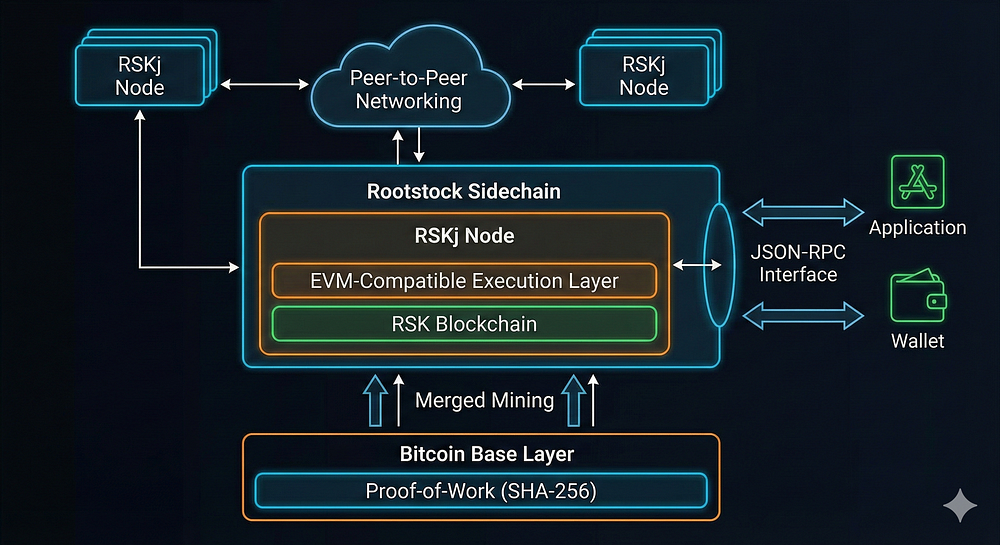
The RSKj node is not just “an Ethereum node on Bitcoin”, it’s a system that:
Secures the chain via Bitcoin merged mining
Runs EVM-compatible bytecode
Communicates over a P2P network
Enforces gas rules and execution determinism
Consensus Is a Trade-Off, Not a Feature
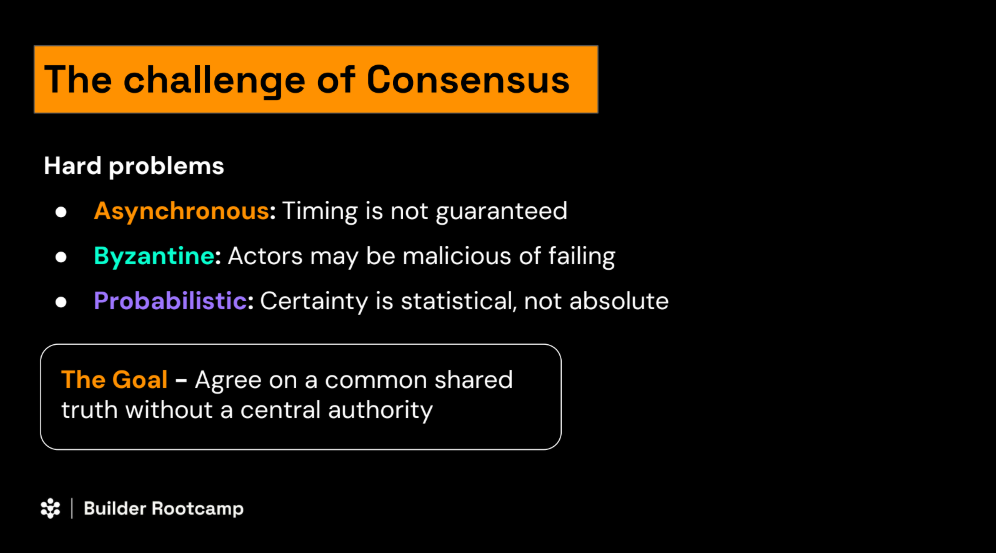
One slide that stuck with me broke consensus down into its hard truths:
Asynchronous networks (no guaranteed timing)
Byzantine actors (some nodes will misbehave)
Probabilistic finality (certainty is statistical, not absolute)
Rootstock, like Bitcoin, prioritizes Consistency + Partition Tolerance over raw availability. The implication for builders: speed and UX optimizations always trade against security
Network Topology: Regtest → Testnet → Mainnet
Seeing the Rootstock network laid out as three explicit environments clarified how disciplined deployment needs to be:
Regtest for local experimentation
Testnet for staging and integration
Mainnet for real value and real consequences
This isn’t just academic. It dictates how you test, how you debug, and when mistakes become expensive.
Gas, Opcodes, and Why “Cheap” Code Isn’t Free
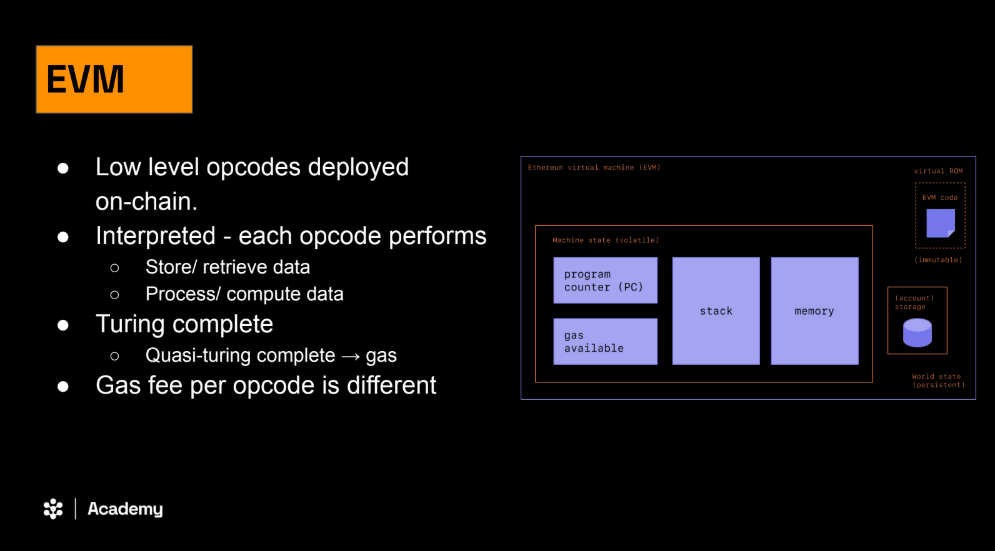
We went deeper than “gas is a fee” The session walked through:
How EVM opcodes are executed step-by-step
Why some operations (like storage writes) are disproportionately expensive
What happens when gas runs out (state reverts, gas doesn’t)
Running a Node Changes How You Think
The demo running an RSKj node via Docker and interacting through JSON-RPC was the turning point. Once you see logs, configuration, and RPC calls at the node level, infra stops being abstract.
This is where Rootcamp quietly sets a higher bar: builders are encouraged to touch the system, not just deploy to it.
Session 3 — Alchemy: Infrastructure at Production Scale
The guest session from Alchemy reframed infrastructure from another angle: patterns observed across hundreds of production teams.
Infra Is Where Most dApps Actually Fail
One recurring theme:
Most “smart contract bugs” users experience are RPC failures, rate limits, or missing observability not Solidity errors.
Alchemy highlighted:
Why reliable RPCs are table stakes, not a luxury
How monitoring and webhooks replace blind polling
The difference between something that works on testnet and something users trust in production
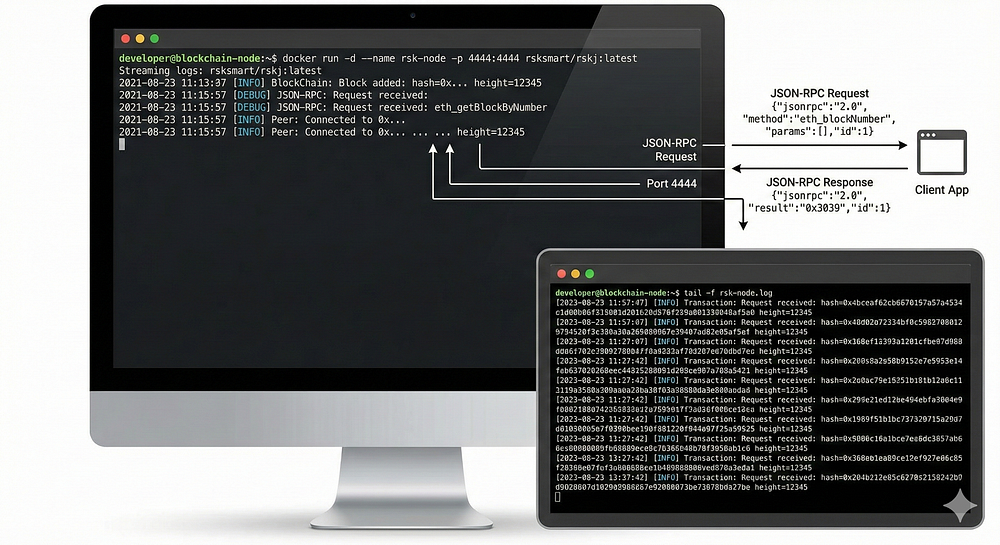
Interacting directly with an RSKj node through JSON-RPC removes abstraction and exposes how the network actually behaves.
A Subtle but Important Shift
What connected both sessions was this idea:
On Rootstock, infrastructure choices are product decisions.
Nodes define correctness. RPCs define availability. Monitoring defines trust. You can’t “optimize later” if your base assumptions are wrong.
What I’m Taking Forward
Three Week 2 lessons I’m carrying into the rest of Rootcamp:
Understanding the node changes how you write contracts
Gas costs are architectural signals, not just fees
Infra reliability matters as much as contract correctness
What’s Next
Next up, Rootcamp moves into writing smart contracts with Bitcoin-sidechain constraints in mind. After understanding the machine, it’s time to write code that respects it.
Connect with me on this journey:
GitHub: tusharshah21
X (Twitter): Sharing Rootstock + Web3 learnings in real time
Hot take:
If you don’t know what node your dApp depends on, you’re not decentralizing you’re outsourcing risk.
Question for fellow Rootcampers:
What part of “infrastructure” felt abstract to you before this week — and doesn’t anymore?
Ready to start building on Rootstock? Here’s how you can get involved today:
📖 Explore the Docs – Get started with Rootstock development.
🏆 Check out the Hacker Hub – Learn about past hackathons and upcoming opportunities.
💰 Contribute and Earn with Hacktivator – Build or create content and earn up to $1,000 per contribution.
💬 Join the Community – Connect with other builders on Discord.


